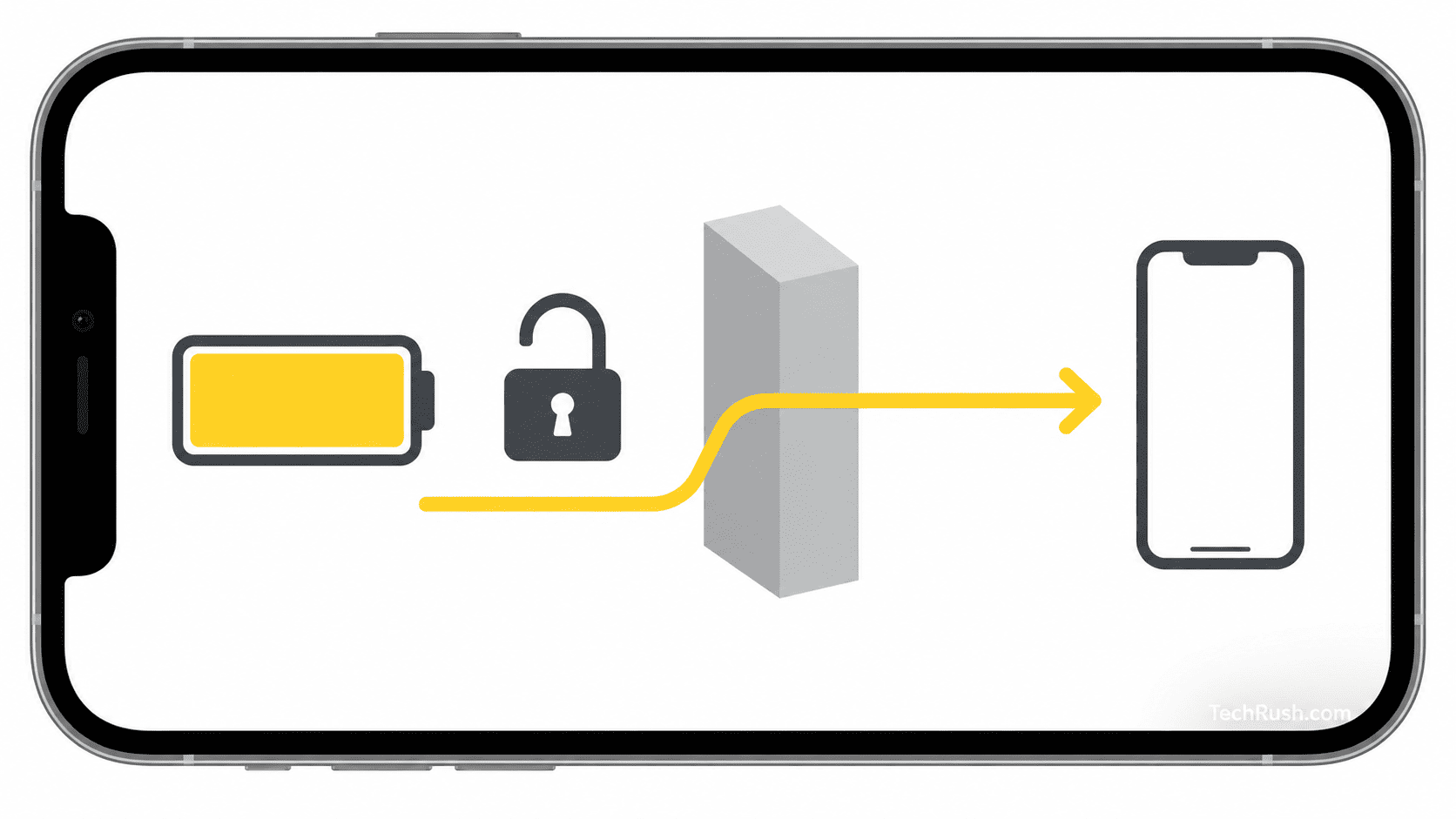
Monitoring target Apple hardware often stalls completely without throwing a visible error code inside your user interface panel. The data sync pipelines running behind your remote control panel depend heavily on native iOS background transmission windows.
When an iPhone slips into Low Power Mode, the operating system instantly applies aggressive hardware throttles that disable automatic wireless synchronization scripts.
This processing freeze traps fresh messaging histories, call logs, and location tracking updates locally on the device storage disk. You can clear this transmission lock by restructuring your portal sync times and configuring the cloud extraction loops correctly. This technical guide outlines the exact manual step-by-step procedures to override iOS energy conservation blocks.
Review how top-tier monitoring software architectures handle delivery latency within our tracking suit matrix below before initiating your hardware evaluation workflows.
| Sourcing Brand Tool | Best Tracking Performance Feature | Compatibility Pro | Live Affiliate Redirect Action Loop |
|---|---|---|---|
| 🥇 mSpy | Real-time keystroke logging | Android / iOS | View Dashboard Live Offer |
| 🥈 Scannero | Instant remote phone number location lookup | Web-Based / All Devices | Run Remote Phone Lookup |
| 🥉 Eyezy | Magic Alerts & advanced geofencing nodes | Android / iOS | Test Dashboard Speed Now |
| 🏅 Spynger | Undetected relationship telemetry logging | Android / iOS | Initialize Stealth Tracker |
| 🏅 Parentaler | Strict parental screen block management | Android / iOS | Secure Family License Rate |
| 🏅 Moniterro | Rapid hidden background data extraction | Android / iOS | Run Remote Live Demo |
| 🏅 Phonsee | Microscopic GPS location breadcrumb maps | Android / iOS | Verify Route Track Options |
| 🏅 uMobix | Advanced real-time audio & video streaming | Android / iOS | Unlock Promo Tracking Rate |
| 🏅 SpyBubblePro | Direct social chat thread logging overlays | Android / iOS | Initialize Dashboard Offer |
| 🏅 xMobi | Remote social profile password lookup scripts | Web-Based Cloud | Access Cloud Backup Panel |
| 🏅 GeoFinder | Instant SMS-based coordinate mapping scripts | Web-Based / All Devices | Map Device Coordinates Now |
| 🏅 Cocospy | Discrete browser history tracking records | Android / iOS | View Hidden Sync Pricing |
| 🏅 Spyic | Lightweight background memory data logging | Android / iOS | Check Multi-Line Bundles |
| 🏅 XNSpy | Programmatic on-demand screen capturing | Android / iOS | Access Enterprise Core Setup |
The Core Mechanics of Apple Battery Constraints
Apple’s iOS architecture forces power management rules through a low-level system daemon that monitors battery percentage thresholds. When an iPhone reaches 20% total capacity, the system triggers Low Power Mode automatically, dropping maximum display refresh rates and stopping background network threads completely.
Under these conditions, the iOS cloud engine disables automatic background backup routines to prioritize telephone core tasks. Remote tracking tools that rely on cloud scraping endpoints cannot trigger a data update because the operating system blocks the network transfer request. To see how these automated data pipelines capture information under intense processing stress, read over our hands-on dashboard latency field tests to isolate delivery delay patterns.
The data engine saves these captured layouts directly into external cloud storage containers to prevent device heating. This remote memory management technique ensures the monitoring infrastructure stays hidden from local security checks. Explore our curated index of modern tracking software cluster assets to see how competing products handle remote data recovery states.
Step-by-Step Low Power Mode Overrides
Bypassing Apple’s automated background power restrictions requires manually setting up charging and Wi-Fi conditions to trigger immediate backup scripts on the target phone.
- Step 1: Check Battery Status Toggles
- Open the target device, enter the native Settings panel, and select the Battery menu item.
- Inspect the Low Power Mode switch configuration and turn it to Off to remove background app restrictions.
- Step 2: Force an Immediate Cloud Backup Sync
- Return to the main Settings dashboard, tap on the user profile name, and select the iCloud option.
- Tap iCloud Backup and select Back Up Now to force-upload stalled data packets manually over the network.
- Step 3: Establish Continuous Power Delivery
- Connect the target phone to a permanent physical power supply and ensure the device links to an unmetered Wi-Fi hotspot.
- This dual hardware state automatically forces the iOS network manager to lift power saving states, allowing remote tracking daemons to pull data updates.
Modifying these power parameters ensures your surveillance software extracts files consistently during late-night cycles. If you are configuring a target asset for the first time, our tutorial covers how to install a phone tracker app across multiple mobile iterations to ensure proper setup alignment.
iOS Wireless Transmission Pipeline
- Target Power State Trigger
- Occurs immediately when the iPhone drops below a 20% power threshold or manually enables Low Power Mode.
- Background Data Throttle
- The operating system freezes secondary cloud sync routines, isolating location changes and chat logs locally.
- Hardware Condition Reset
- Connecting the phone to a physical charger and unmetered Wi-Fi clears the power block, resuming your dashboard streams.
Resolving Stalled Account Authentication Tokens
iOS data collection platforms require active security authentication tokens to scrape user files from remote cloud storage systems. When an iPhone drops into an extended low-power state, the server handshake request frequently times out, causing your control panel connection to fail.
This timeout issue forces your tracking system to display an outdated synchronization log error. To clear this connection loop, log into your private monitoring dashboard room and locate the connection management sub-menu. Select the account refresh option and re-submit your tracking credentials to clear the server verification locks.
If data transmission drops continue despite resetting these access options, an unexpected system security update might be blocking data flow. Review our operational solutions inside our tracker troubleshooting wiki to restore cloud database scraping paths.
Documenting Background Cellular Overhead Metrics
Continuous cloud extraction scripts rely on stable network configurations to pull heavy data packets from remote account profiles.
| iOS Battery Power State | Tracking System Capability | Connection Block Threat |
|---|---|---|
| Charging + Connected to Wi-Fi | Full database mirror uploads complete cleanly | Extremely Low (Under 1.0%) |
| Standard State (Over 20% Power) | Small text and location files sync periodically | Moderate Stall Risk (Around 24%) |
| Low Power Mode (Active State) | All background data uploads are blocked by the OS | Critical Transmission Loss (100%) |
| Cellular Connection (Data Saver) | Media folders hold; only compressed text logs pass | High Sync Latency Risk (Over 60%) |
Our tracking research group compiled these risk percentages using live network throttling software. The resulting statistics prove that securing unrestricted background data access is critical to keeping your data pipeline open. Review alternative network deployment tips and tracking behavior breakdowns in our specialized phone tracker guides document.
Executing a regular forensic os permission surveillance test run on your own hardware helps you spot these device care interventions. This testing routine ensures your tracking software maintains its accessibility hooks even through automated night-time operating system updates.
Corporate Compliance and Data Regulations
Deploying remote mobile monitoring utilities requires strict compliance with local consumer privacy laws and text data collection regulations. Installing data scraping tools on a smartphone without explicit written consent is illegal in most global jurisdictions.
Enterprise teams deploying mobile analytics software on employee hardware must structure their tracking configurations to align with local labor laws. To understand why background daemons get blocked by the system, you can reference the official Android Developer Background Optimization guidelines on resource constraints.
Furthermore, compliance requirements dictate that you cross-examine your data collection setups with active data-logging regulations. This ensures all collected location details and chat logs remain fully encrypted, protecting your data pipelines from malicious third-party interception. Keeping your background data channels clear allows enterprise teams to build reliable, long-term success stories using phone tracker apps for business asset auditing networks.
Securing Unbroken Cloud Extractions
Bypassing automated iOS battery restrictions provides an exceptionally reliable way to maintain consistent dashboard updates over long-term operations. Overriding power savings thresholds keeps data pipelines transmitting cleanly without requiring a physical device reinstallation.
Consistently auditing your tracking authentication status keeps your data streams secure against server timeouts. This regular upkeep protects your personal files, location logs, and communication data across all monitored endpoints.