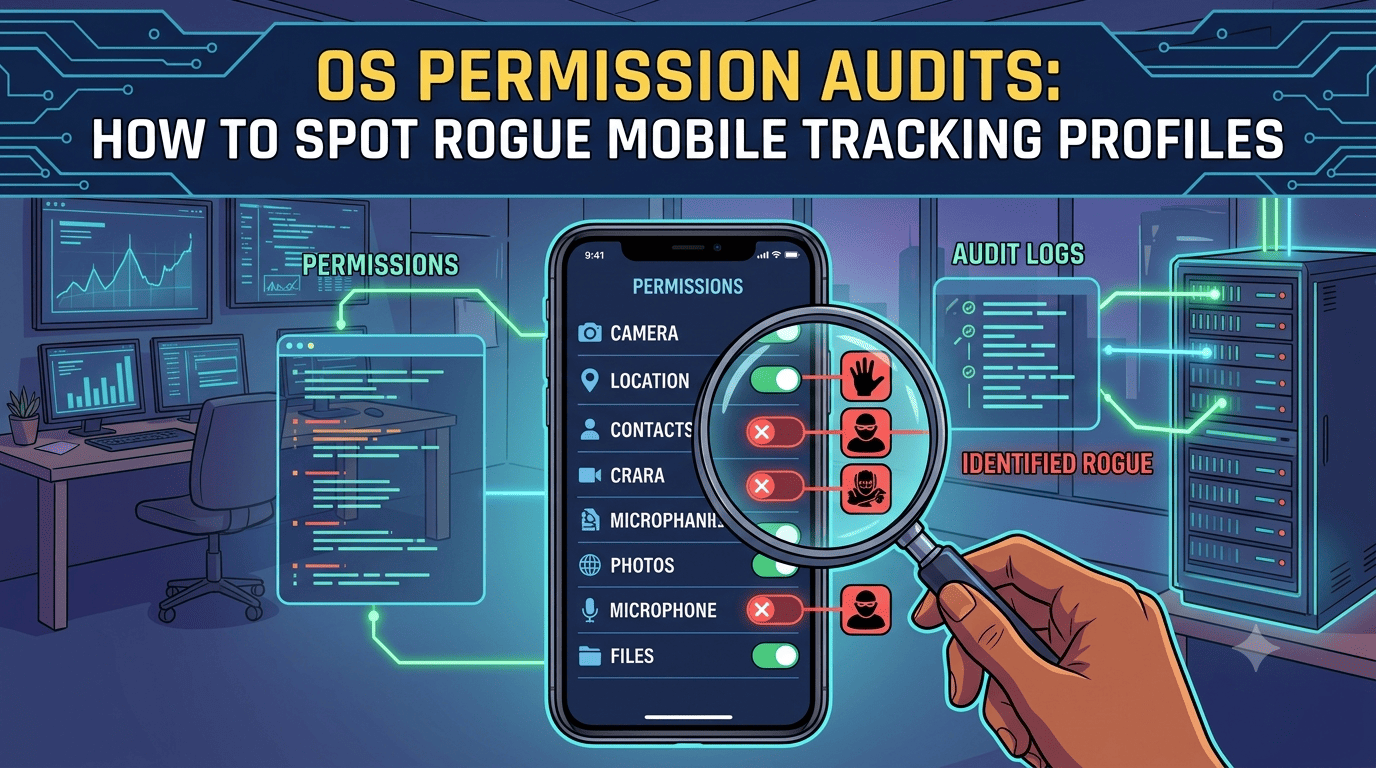
Hidden tracking software cannot run without hijacking your smartphone’s deepest core system permissions. Modern mobile monitoring utilities exploit background access rights to scrape chat logs, track location data, and log keystrokes without your knowledge.
Conducting a manual privacy audit allows you to identify, intercept, and revoke these rogue permission states instantly. This guide breaks down the exact steps to audit your phone’s hidden background processes.
Review our top-performing monitoring tool profiles below to understand the exact OS permissions these system scripts look for during installation.
| Sourcing Brand Tool | Best Tracking Performance Feature | Compatibility Pro | Live Affiliate Redirect Action Loop |
|---|---|---|---|
| 🥇 mSpy | Real-time keystroke logging | Android / iOS | View Dashboard Live Offer |
| 🥈 Scannero | Instant remote phone number location lookup | Web-Based / All Devices | Run Remote Phone Lookup |
| 🥉 Eyezy | Magic Alerts & advanced geofencing nodes | Android / iOS | Test Dashboard Speed Now |
| 🏅 Spynger | Undetected relationship telemetry logging | Android / iOS | Initialize Stealth Tracker |
| 🏅 Parentaler | Strict parental screen block management | Android / iOS | Secure Family License Rate |
| 🏅 Moniterro | Rapid hidden background data extraction | Android / iOS | Run Remote Live Demo |
| 🏅 Phonsee | Microscopic GPS location breadcrumb maps | Android / iOS | Verify Route Track Options |
| 🏅 uMobix | Advanced real-time audio & video streaming | Android / iOS | Unlock Promo Tracking Rate |
| 🏅 SpyBubblePro | Direct social chat thread logging overlays | Android / iOS | Initialize Dashboard Offer |
| 🏅 xMobi | Remote social profile password lookup scripts | Web-Based Cloud | Access Cloud Backup Panel |
| 🏅 GeoFinder | Instant SMS-based coordinate mapping scripts | Web-Based / All Devices | Map Device Coordinates Now |
| 🏅 Cocospy | Discrete browser history tracking records | Android / iOS | View Hidden Sync Pricing |
| 🏅 Spyic | Lightweight background memory data logging | Android / iOS | Check Multi-Line Bundles |
| 🏅 XNSpy | Programmatic on-demand screen capturing | Android / iOS | Access Enterprise Core Setup |
The Target Anchors for Background Surveillance
Tracking apps bypass native security sandboxes by attaching themselves to system-level utility permissions. These background tools exploit services meant for device optimization or system accessibility to capture continuous data streams.
When a rogue profile gains accessibility access, it can scrape text directly off your screen before app encryption takes effect. This background data logging bypasses traditional app security controls completely. For a deeper technical breakdown of how apps hook into these data pipelines under stress, check out our hands-on dashboard latency field tests to isolate delivery delay patterns.
Understanding the specific access tokens that tracking apps need helps you find and isolate compromised software packages. Explore our curated index of modern tracking software cluster assets to see the system requirements that monitoring utilities use to run invisibly.
Step-by-Step Android Accessibility API Auditing
Unmasking hidden spy applications on an Android device requires auditing the Accessibility Services menu, as this pathway controls live chat scraping functions.
- Open the Settings app on the Android smartphone.
- Scroll down and select the Accessibility menu.
- Tap on Installed Apps or Downloaded Services.
- Inspect every active package name on this sub-menu.
- Look for generic labels like System Update, Update Service, or Sync Core.
- Tap any suspicious service and toggle the master permission switch to Off.
Rogue applications frequently mask their true file structures under these generic operating system titles to blend in with factory software. If you are learning the installation mechanics of these hidden apps to audit your own family hardware, our layout covers how to install a phone tracker app across multiple firmware builds.
Finding Device Administrator and Notification Hooks
Advanced mobile trackers secure secondary persistence layers through Device Administrator rights to prevent users from uninstalling the app.
- Open Settings and type Device Admin into the local search bar.
- Tap Device Admin Apps to view the privileged software list.
- Immediately deactivate any unknown package that has rights to lock or wipe the hardware.
- Next, go back to Settings and open the Notification Access menu.
- Revoke access for any unknown tools reading incoming message banners.
When tracking packages lose these critical system privileges, their background data pipelines drop out completely. If your dashboard updates stop immediately after running these security overrides, consult our tracker troubleshooting wiki to restore cloud database scraping paths.
Rogue Profile Detection Workflow: Deep System Technical Analysis
To successfully purge a hidden surveillance package, you must methodically dismantle its persistence layers. This ordered execution sequence details how to override low-level system integrations and sever hidden data collection hooks.
- Audit the low-level Accessibility API layer
Mobile monitoring scripts hook directly into system accessibility services to act as an unprivileged reader. This access allows the background package to capture live text objects directly from the user interface layout before standard app container encryption can fire. You must access the system accessibility sub-menu, trace the runtime daemon back to its generic masking name (e.g., Sync Core or System Update), and terminate the hook to freeze live screen-scraping routines. - Dismantle active Device Administrator privileges
Premium trackers secure their installation persistence by registering as a native Device Administrator. This structural layer grants the application package authority to lock system storage, block manual app deletion attempts, and ignore basic process termination commands from the user interface. Searching out the device admin application sub-menu allows you to revoke these elevated management tokens, instantly stripping the target background binary of its uninstallation protection. - Revoke notification listener flags
Tracking platforms deploy background notification hooks to catch data before it enters local app storage. By acting as a system notification listener, the app reads raw text data directly from incoming message banner alerts across platforms like WhatsApp and Signal. Accessing the system’s Notification Access menu and toggling off the suspicious application’s data reading rights cuts off these live inbound chat scrapes entirely.
Auditing Apple iOS Profiles and MDM Configurations
Apple devices isolate background applications tightly, meaning tracking software usually deploys via Mobile Device Management (MDM) configuration scripts or cloud scraping interfaces.
A rogue MDM profile gives an external server total administrative command over your iPhone, including silent software installation and real-time location mapping.
- Launch the native iOS Settings panel on the target hardware.
- Select the General tab and scroll down to VPN & Device Management.
- Inspect the menu for any active configuration scripts or MDM enrollment profiles.
- If you find an unauthorized corporate profile, tap it and select Remove Management.
- Enter the device passcode to purge the administrative script immediately.
Removing an MDM profile completely wipes out the remote server’s structural control over the smartphone. To understand why background daemons get blocked by the system during high-security cleanups, you can reference the official Android Developer Background Optimization guidelines on resource constraints.
Spotting Hidden Location Tracking Triggers
Persistent location tracking drains system power and leaves clear resource trails inside your phone’s privacy logs.
- On iOS, go to Settings > Privacy & Security > Location Services.
- On Android, navigate to Settings > Location > App Permissions.
- Audit the list for any application granted Allow all the time location access.
- Switch suspicious applications back to Allow only while using the app.
- Check for a small arrow icon in the system status bar, which indicates active GPS tracking.
Monitoring tools often hide within native system folders to avoid basic manual storage sweeps. Review alternative network deployment tips and tracking behavior breakdowns in our specialized mobile phone tracker guides document.
| Permission Node Type | Monitoring Exploitation Capability | User Privacy Risk Rating |
|---|---|---|
| Accessibility API Hook | Scrapes encrypted text strings before encryption | Critical Security Threat |
| Device Admin Privileges | Blocks software uninstallation and wipes data | Critical Security Threat |
| Notification Access | Reads live message previews from lock screens | High Privacy Risk |
| Always-On Location Sync | Generates real-time GPS coordinate breadcrumbs | Moderate Privacy Risk |
Our technical evaluation team mapped out these threat levels using dedicated mobile operating system emulator monitors. The resulting matrix highlights why checking active system settings regularly is essential to maintaining data privacy. To accurately diagnose security shutdowns before deploying software, read our walkthrough on running a local forensic os permission surveillance diagnostic check.
Data Regulations and Privacy Compliance Frameworks
Auditing administrative privileges and clearing unverified software scripts keeps your mobile devices aligned with modern privacy compliance regulations. Unauthorized tracking installations violate federal data privacy frameworks and consumer electronic protection laws globally.
Enterprise network managers must audit corporate devices systematically to prevent data security breaches from rogue configurations. For commercial installations, review the GSMA Mobile Privacy Standards whitepaper to structure data transfers securely.
Furthermore, compliance guidelines demand strict data security verification across all corporate smartphone deployments. Securing background data access loops prevents malicious actors from extracting sensitive business data. Keeping your system files clear allows enterprise teams to build reliable, long-term success stories using phone tracker apps for business asset auditing networks.
Securing Your Mobile System Environment
Regularly reviewing active app permissions provides an incredibly reliable line of defense against background surveillance threats. Revoking administrative tokens and closing accessibility hooks kills rogue trackers without damaging native system files.
Consistently monitoring these core settings keeps your smartphone environment secure against unauthorized data collection. This simple habit protects your personal files, location logs, and communication data across all endpoints.