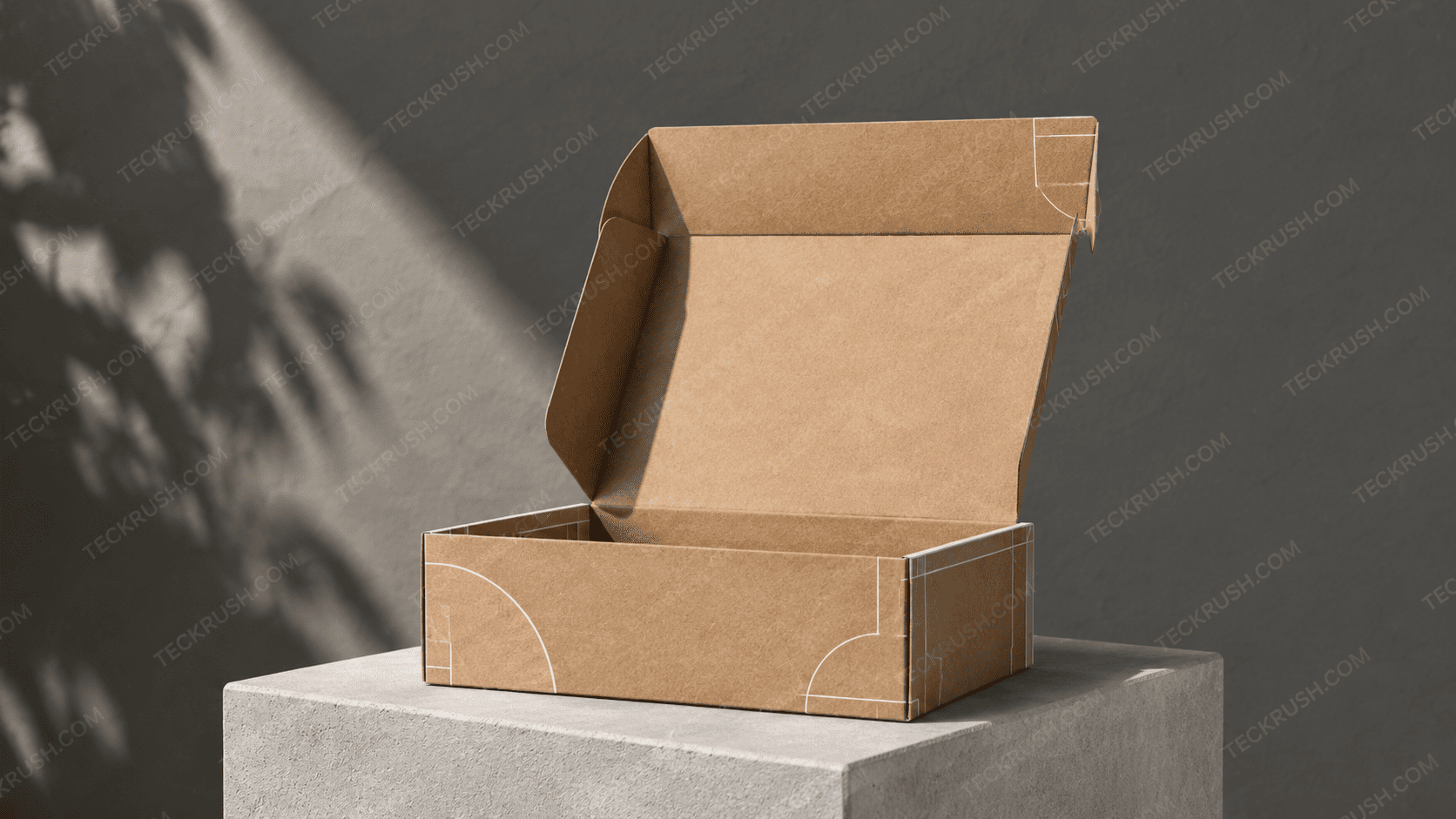
Cosmetic retail margins live and die by visual shelf presence and transit survivability. Choosing the wrong structural substrate or printing finish for your cosmetic line does not just hurt brand perception. It also triggers expensive retail chargebacks, product damage from formulation leaks, and severe customer churn due to lackluster unboxing experiences.
For high-velocity beauty brands, the optimal custom cosmetic boxes packaging solution utilizes 16pt to 18pt Solid Bleached Sulfate (SBS) paperboard for lightweight retail items (lipsticks, serums), and E-flute corrugated cardboard for heavy, multi-sku subscription kits. To maximize retail shelf conversion and pass international cosmetics compliance, your packaging architecture must integrate high-fidelity digital or offset printing with precise tactile finishes like soft-touch matte lamination, spot UV, or metallic foil stamping.
Structural Engineering: Selecting Your Cosmetic Packaging Substrate
Cosmetic products vary wildly in weight, chemical composition, and fragility. Selecting your box material requires balancing presentation with structural integrity.
Retail SBS Paperboard
Solid Bleached Sulfate (SBS) is the premium standard for retail shelves. It features a clean, bright white surface throughout, allowing for perfect color matching (Pantone Matching System) required by beauty brands. It is ideal for primary product containers like mascara tubes, palettes, and skincare jars.
For a baseline understanding of how these substrates fit into the wider logistics ecosystem, see our overview of custom packaging boxes structural variations.
E-Flute Corrugated Cardboard
When shipping direct-to-consumer (DTC) or building multi-product gift sets, paperboard lacks the required puncture resistance. E-flute corrugated board provides a slim profile (1/16th inch thickness) that offers exceptional crush protection without the bulk of traditional shipping boxes.
You can see how different brands categorize these options by evaluating the structural breakdown in our guide to the various types of custom packaging boxes available for distribution.
Cosmetic Packaging Matrix: Material vs. Application Performance
The table below breaks down technical tolerances, ideal cosmetics verticals, and structural limitations for production planning.
| Substrate Material | Optimal Thickness / Weight | Best Beauty Application | Burst Test / ECT Rating | Primary Structural Limitation |
|---|---|---|---|---|
| SBS Paperboard | 16pt to 18pt | Lipsticks, Serums, Foundations | N/A (Rigid Retail) | Fails in rough parcel transit without outer shipper |
| Kraft Paperboard | 14pt to 18pt | Eco-friendly, Organic Skincare | N/A (Sustainable) | Limits bright color reproduction due to brown base |
| E-Flute Corrugated | 1/16″ Thickness | Subscription Boxes, Gift Kits | 32 ECT (Edge Crush) | Visually bulky for delicate retail shelving layouts |
| Rigid Turn-Style | 40pt to 80pt chipboard | Premium Perfumes, Luxury Palettes | Heavy Duty | High unit cost and non-collapsible freight storage |
Advanced Printing Technologies and Premium Finishing Specs
Achieving a high-end aesthetic requires choosing the right printing press style and post-press finishes.
Offset vs. Digital Printing
Use digital printing for limited-edition influencer drops or testing new SKU lines under 1,000 units. Digital setups require zero tooling or plates. For mass-market retail runs exceeding 2,500 units, switch entirely to offset printing. Offset delivers the lowest per-unit cost and unmatched color consistency across large print volumes.
Tactile Finishes That Drive Retail Sales
- Spot UV Coating: Applies a high-gloss liquid coating to targeted areas (like your logo or ingredient highlight), creating a stark contrast against a matte box.
- Foil Stamping: Presses metallic foils (gold, silver, rose gold) into the paperboard using heat and a custom magnesium die.
- Embossing / Debossing: Alters the physical texture of the board, raising or recessing your brand assets for a premium tactile feedback loop during the consumer unboxing phase. These methods are frequently cataloged among the highly requested trending features of custom packaging boxes in premium consumer verticals.
Supply Chain Velocity: Designing for Automated Fulfillment
Cosmetic brands scaling through third-party logistics (3PL) providers must optimize their custom boxes for rapid assembly.
- Ditch Multi-Piece Inserts: Avoid complex, manual structural inserts whenever possible.
- Deploy Vacuum Trays: Deploy automated custom-die insert trays engineered from clear PET vacuum-formed plastics or corrugated cutouts.
- Secure Internal Glass: These hold glass bottles or pipettes firmly in place, mitigating internal movement that causes scuffing or leakage during transit.
- Pick Auto-Bottom Boxes: Ensure your box specifications feature an auto-bottom or 1-2-3 snap-lock design if your fulfillment team packs boxes by hand.
- Slash Packing Labor: This mechanical configuration reduces box assembly time by up to 65% compared to standard tuck-end styles.
Vertical Specialization and Cross-Category Operations Integration
To capture targeted search intent across TeckRush’s existing published sitemap, we bridge our cosmetic structural manufacturing rules directly with our active live links.
- DTC Retail Shippers: Transitioning from store shelves to home delivery requires specific exterior protection layers. Brands matching visual design with sturdy logistics can read our breakdown on implementing custom mailer boxes with logo branding to protect glass containers.
- Eco-Friendly Cosmetic Lines: Zero-waste skincare and makeup brands often steer clear of bleached chemicals. For these raw, sustainable applications, you can leverage wholesale sourcing strategies using custom kraft paper boxes wholesale structures to convey purity.
- Macro Economic Shifts: The aesthetic demands of the beauty world move in close alignment with global market design changes. Brands looking to adapt their artwork can review the latest trends in custom packaging boxes to keep imagery modern.
- Niche Market Adaptations: Cosmetic containers have highly specific physical parameters that do not apply to food or electronics. For broader application comparisons, explore our guide on industry specific packaging boxes across major market categories.
- B2B Sourcing Strategy: Finding manufacturers that offer custom dimensions without severe cost inflation requires structural pre-planning. Review our blueprint on setting up custom packaging solutions to lower startup tooling overheads.
- Fulfillment Team Asset Security: High-value makeup batches inside distribution centers require close software and logistics monitoring. You can learn how companies utilize remote asset monitoring tools by reading our operational analysis on success stories using phone tracker apps for business supply visibility.
To ensure your brand protection maps correctly onto your software configurations, you can reference security regulatory frameworks like the CISA Supply Chain Risk Management guidelines to secure your digital inventory loops against modern hardware disruptions.
Frequently Asked Questions: Custom Cosmetic Packaging
What is the minimum order quantity (MOQ) for custom cosmetic boxes packaging?
- Digital MOQ Standards: Digital production runs typically start at 100 to 250 units because they do not require physical plate setups.
- Offset MOQ Standards: Offset printing runs usually require a minimum of 1,000 to 2,500 units to offset the upfront cost of custom steel dies and ink plates.
Which eco-friendly materials are available for makeup packaging?
- Unbleached Kraft Board: Uses 100% post-consumer recycled paperboard, providing a rustic, organic look for clean beauty lines.
- Ocean-Bound Plastic Inserts: Replaces standard petroleum trays with certified ocean-recycled PET vacuum-formed inserts.
- Soy-Based Printing Inks: Replaces traditional petroleum-based inks with organic soy formulations, lowering volatile organic compound (VOC) emissions during manufacturing.
How do I protect glass cosmetic dropper bottles during parcel transit?
- Spec Corrugated Inserts: Use precise die-cut corrugated internal structural walls that suspend glass items away from the outer box borders.
- Lock with PET Trays: Deploy form-fitting vacuum thermoformed plastic inserts that lock pipettes and glass jars in place to stop internal rattling.
- Mandate Drop Testing: Verify all prototype configurations survive a standardized 4-foot drop test onto concrete surfaces before committing to production volumes.
What is the difference between CMYK and Pantone color matching?
- CMYK Process Printing: Blends Cyan, Magenta, Yellow, and Key Black dots to produce color variations, which can show minor shifts across different production batches.
- Pantone Matching System: Uses exact pre-mixed chemical ink formulas (PMS codes) to ensure 100% color accuracy, which is highly critical for iconic cosmetics brand identities.
