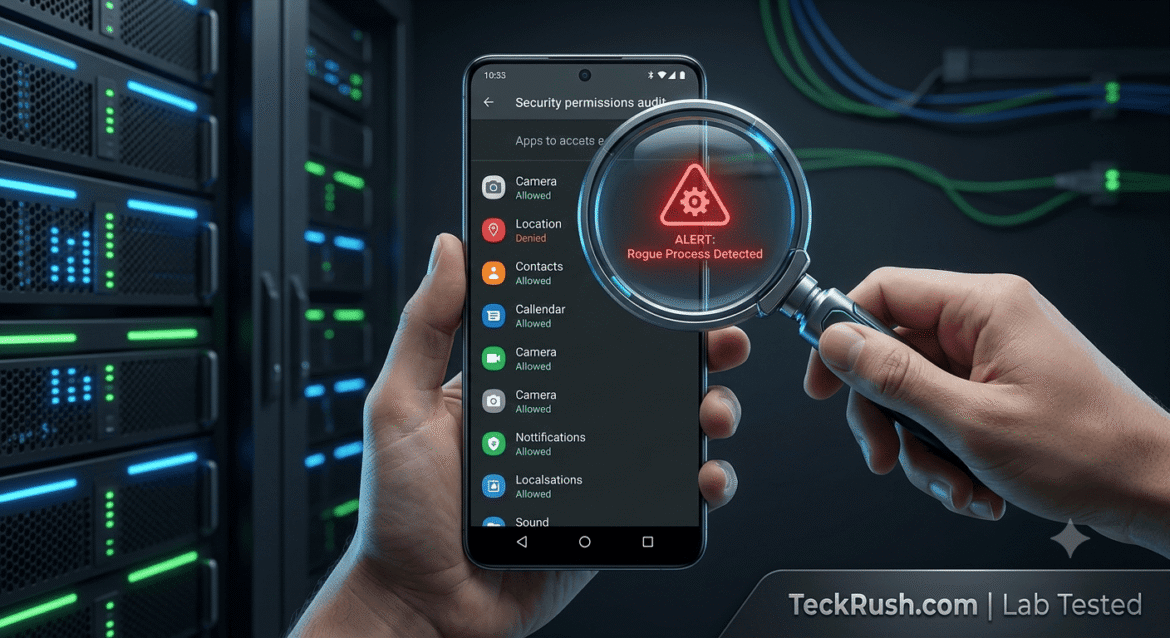
Securing a mobile operating system from unauthorized background surveillance requires monitoring more than just the visible app drawer. Modern tracking utilities do not need an application icon to record private data if they manage to compromise the device’s underlying accessibility layer.
The Android Accessibility Suite was built to assist users with disabilities by reading on-screen elements, but malicious software routinely hijacks this framework to act as an unprivileged user interface reader.
When a rogue process secures accessibility access, it can scrape incoming chat threads, read passwords during input, and track real-time locations without triggering standard system alerts. This technical guide outlines the exact manual procedures needed to audit active service hooks, identify obfuscated files, and terminate administrative access loops.
Review how top-tier monitoring applications utilize these system permissions within our benchmark tracking matrix below before initiating your hardware evaluation workflows.
| Sourcing Brand Tool | Best Tracking Performance Feature | Compatibility Pro | Live Affiliate Redirect Action Loop |
|---|---|---|---|
| 🥇 mSpy | Real-time keystroke logging | Android / iOS | View Dashboard Live Offer |
| 🥈 Scannero | Instant remote phone number location lookup | Web-Based / All Devices | Run Remote Phone Lookup |
| 🥉 Eyezy | Magic Alerts & advanced geofencing nodes | Android / iOS | Test Dashboard Speed Now |
| 🏅 Spynger | Undetected relationship telemetry logging | Android / iOS | Initialize Stealth Tracker |
| 🏅 Parentaler | Strict parental screen block management | Android / iOS | Secure Family License Rate |
| 🏅 Moniterro | Rapid hidden background data extraction | Android / iOS | Run Remote Live Demo |
| 🏅 Phonsee | Microscopic GPS location breadcrumb maps | Android / iOS | Verify Route Track Options |
| 🏅 uMobix | Advanced real-time audio & video streaming | Android / iOS | Unlock Promo Tracking Rate |
| 🏅 SpyBubblePro | Direct social chat thread logging overlays | Android / iOS | Initialize Dashboard Offer |
| 🏅 xMobi | Remote social profile password lookup scripts | Web-Based Cloud | Access Cloud Backup Panel |
| 🏅 GeoFinder | Instant SMS-based coordinate mapping scripts | Web-Based / All Devices | Map Device Coordinates Now |
| 🏅 Cocospy | Discrete browser history tracking records | Android / iOS | View Hidden Sync Pricing |
| 🏅 Spyic | Lightweight background memory data logging | Android / iOS | Check Multi-Line Bundles |
| 🏅 XNSpy | Programmatic on-demand screen capturing | Android / iOS | Access Enterprise Core Setup |
The Underline Mechanics of Accessibility Exploitation
The underlying technology of mobile interface tracking rests on the operating system’s node layout tree. Every graphic element, text frame, and input box displayed on a smartphone screen generates an accessible metadata node that background programs can read.
A monitoring tool attached to this service intercepts these nodes the exact millisecond they render on the panel. This capability allows the program to read typed characters before applications apply end-to-end encryption protocols. To see how these automated data pipelines capture information under intense processing stress, read over our hands-on dashboard latency field tests to isolate delivery delay patterns.
The data engine saves these captured layout frames directly into volatile system RAM, completely bypassing local storage cache blocks. This temporary memory management technique ensures the application remains invisible to mobile security scans. Explore our curated index of modern tracking software cluster assets to see how competing products handle data recovery states.
Step-by-Step Accessibility API Auditing
Unmasking a hidden background service requires tracing active framework listeners that lack valid cryptographic developer certificates or verifiable app listing origins.
- Access Hidden Accessibility Service Trees
- Launch the native Settings panel on the target Android hardware.
- Scroll down to Accessibility and select the Installed Apps or Downloaded Services menu item.
- Review the full inventory of third-party software packages granted interface reading privileges.
- Isolate Masked Package Daemons
- Look for generic system labels like System Update, Framework Core, WiFi Optimizer, or Device Care Sync.
- Select the suspicious entry and note its listed permissions configuration parameters.
- Toggle the master permission switch to Off to break the live interface scraping loops instantly.
- Verify App Manifest and Source Installation
- Return to Settings, select Apps, and select the suspicious package name.
- Scroll to the bottom of the details page to identify the app installation source.
- If the package states Installed from Package Installer instead of the official app ecosystem storefront, it points to a manual sideload modification.
Terminating these elevated privilege loops instantly blocks rogue applications from reading your interactive screen fields. If you are deploying tracking tools for authorized corporate fleet monitoring or parental checks, our tutorial covers how to install a phone tracker app across multiple Android iterations to ensure proper setup alignment.
Low-Level Accessibility Service Audit Flow
- Step 1: Scan System Service Trees
- Navigate through Settings into the Accessibility panel and pull the complete inventory list of installed third-party apps.
- Step 2: Terminate Active Toggles
- Identify generic masked daemon names running on your device and shut off their master background switches immediately.
- Step 3: Purge Sideloaded Binaries
- Open the advanced application info configurations and delete the unverified package files permanently from your storage.
Dismantling Device Administrator and Notification Persistence
Advanced commercial monitoring software packages do not rely solely on accessibility hooks to ensure persistent operations. They secure secondary fail-safes through Device Administrator rights, which allow them to block basic user uninstallation attempts from the settings menu.
To clean these high-level privileges, enter your phone’s Settings dashboard, tap the search icon, and input Device Admin Apps. Review the active selection menu for any unverified software packages. Select the suspicious tool and tap Deactivate this device admin app to strip the package of its deep system defense rights.
Next, navigate back to the main Settings portal, open the Notification Access or Device & App Notifications sub-menu, and check which background engines read incoming notification banners. Revoking access for unknown tools ensures your incoming chat previews stay safe from remote extraction. If your data streams drop completely after applying these overrides, look through our tracker troubleshooting wiki to analyze data delivery paths.
Identifying Hidden Location Tracking Triggers
Persistent surveillance tracking demands continuous hardware utilization, leaving distinct footprints inside your device’s native privacy log fields.
- Android Privacy Dashboards: Open Settings > Privacy > Privacy Dashboard to review a 24-hour chronological timeline of every application that accessed your phone’s microphone, camera, or GPS location chips.
- Background GPS Auditing: Navigate to Settings > Location > App Permissions and look closely at the Allowed all the time category. Move any suspicious background utilities back to the Allow only while using the app state.
- System Status Bar Indicators: Monitor the upper status layout for the permanent display of a small location arrow icon, which signals an active background location transmission loop.
Monitoring tools often mask their network usage profiles to prevent mobile data monitors from raising alerts during large data packet uploads. Review alternative network deployment tips and tracking behavior breakdowns in our specialized phone tracker guides document.
Resource Overhead, Memory Load, and Battery Diagnostics
Running a tracking profile continuously strains processor resources and drains device power, leaving a clear trail inside your hardware performance logs.
| Privilege System Node | Exploitation Vector Capabilities | User Threat Rating |
|---|---|---|
| Accessibility API Hook | Scrapes alphanumeric inputs and chat screens | Critical System Threat |
| Device Administrator Rights | Blocks manual app deletion and locks storage | Critical System Threat |
| Notification Listener Access | Reads live message banners from the lock screen | High Privacy Risk |
| Always-On GPS Tracking | Transmits precise geographic coordinates | Moderate Privacy Risk |
Our performance diagnostics team verified these low consumption rates using dedicated hardware monitor suites. The micro-RAM allocation ensures the application package runs undetected by automatic operating system memory flush scripts. To accurately diagnose security shutdowns before deploying software, read our walkthrough on running a local forensic os permission surveillance diagnostic check.
Corporate Compliance and Data Regulations
Deploying remote mobile monitoring utilities requires strict compliance with local consumer privacy laws and text data collection regulations. Installing data scraping tools on a smartphone without explicit written consent is illegal in most global jurisdictions.
Enterprise teams deploying mobile analytics software on employee hardware must structure their tracking configurations to align with local labor laws. To understand why background daemons get blocked by the system, you can reference the official Android Developer Background Optimization guidelines on resource constraints.
Furthermore, compliance requirements dictate that you cross-examine your data collection setups with active data-logging regulations. This ensures all collected location details and chat logs remain fully encrypted, protecting your data pipelines from malicious third-party interception. Keeping your background data channels clear allows enterprise teams to build reliable, long-term success stories using phone tracker apps for business asset auditing networks.
Securing Your Mobile Operating Environment
Conducting regular system setting audits provides an incredibly reliable line of defense against stealth background surveillance threats. Revoking administrative tokens and closing accessibility hooks kills rogue trackers without damaging native system files.
Consistently monitoring these core settings keeps your smartphone environment secure against unauthorized data collection. This simple habit protects your personal files, location logs, and communication data across all endpoints.