Technical evaluations of eco-friendly, biodegradable, and recycled custom box manufacturing materials. This hub provides structural breakdowns of Kraft paper thickness, corrugated flute specs, and sustainable ink options for eco-conscious businesses looking to reduce their carbon footprint.
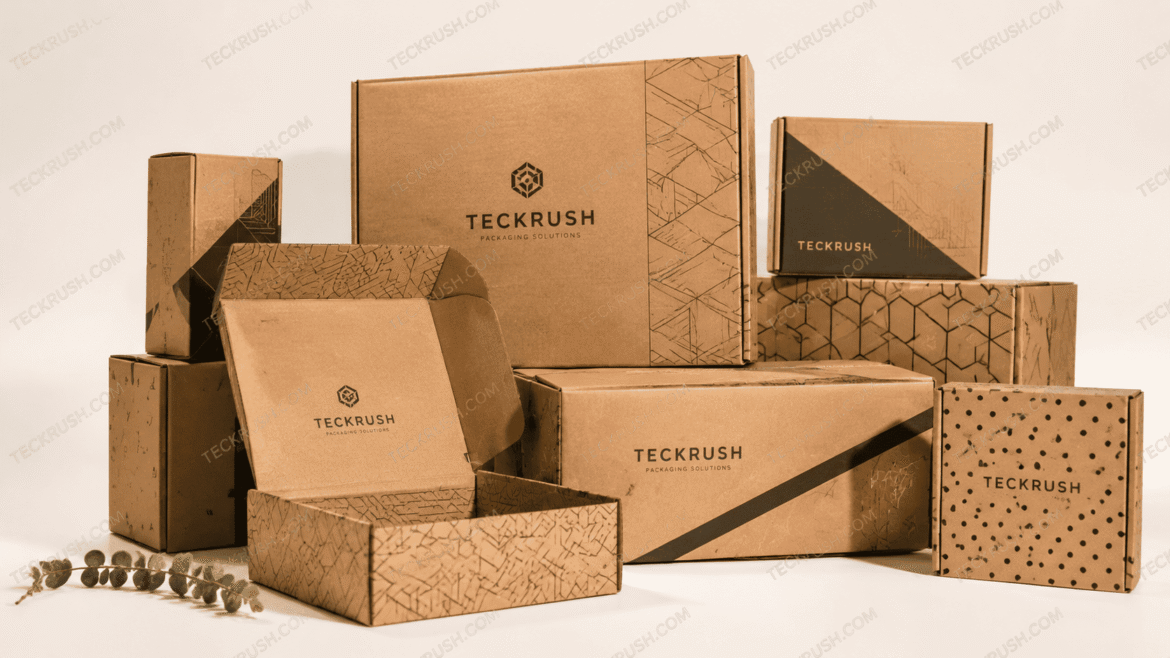
Finding the right structural specifications for your product packaging can completely redefine your retail brand’s supply chain efficiency. If you run an online retail store or subscription service, locating durable eco friendly packaging boxes is the best way to safeguard products while reducing corporate waste.
If you are actively searching for custom kraft paper boxes wholesale options to cut your assembly expenditures, partnering with a verified manufacturer is essential to secure clean printing layouts and low minimum order quantities (MOQs).
Whether you need kraft mailer boxes bulk options for shipping fragile cosmetics or heavy retail hardware, you shouldn’t have to overpay for bulk logistics. Fortunately, modern natural kraft fibers provide massive burst strength, allowing you to deploy lightweight cardboard product boxes that minimize overall weight during postal transport.
Technical Specifications & Cost Analysis Matrix
Before reaching out to a global custom box manufacturer, use this baseline specification chart to evaluate structural material grades and price estimates.
| Box Material Grade | Ideal Use Case Scenario | Average Material Thickness | Custom Printing Options | Estimated B2B Price Range |
|---|---|---|---|---|
| 100% Recycled Kraft | Lightweight Retail Display | 18pt to 24pt Cardstock | Soy-Based Flexographic | $0.40 – $1.50 per unit |
| Flute Corrugated Kraft | Heavy E-commerce Shipping | E-Flute / B-Flute Cardboard | High-Definition Digital | $0.50 – $3.50 per unit |
| Rigid Compressed Kraft | Luxury Gift & Cosmetic Presentation | Direct Board Wrapping | Foil Stamping / Debossing | $1.50 – $8.00+ per unit |
Structural Advantages of Custom Kraft Paper Packaging
Selecting natural wood pulp fibers over bleached white cardboard helps your business satisfy modern environmental trends while securing specific structural protections. To see how different manufacturing styles compare broadly across various commercial sectors, check our main archive page covering the fundamental custom packaging boxes blueprint models.
1. Superior Burst Strength and Durability
Natural unbleached kraft paper contains long, interlocking organic wood fibers. Consequently, this material provides exceptional structural strength, preventing your custom container from tearing open during bumpy transit routes.
2. Drastic Reductions in Dimensional Weight
Custom sizing allows you to build structural dimensions that wrap perfectly around your actual product inventory. By cutting out unneeded internal storage space, you completely eliminate the need for expensive plastic foam fillers and lower your dimensional freight bills.
This logistics strategy is especially crucial for companies shipping heavy computer components, enterprise servers, or sensitive office storage hardware. Finally, to explore the broader economic benefits of upgrading your retail presentation layouts, read our expert analysis on the benefits of custom packaging for growing e-commerce brands.
3. Sustainable Brand Presentation
Consumers strongly favor brands that prioritize environmental safety. Using unbleached brown paper boards immediately shows your audience that your company uses eco-friendly logistics, boosting your overall customer retention rates.
Consumers strongly favor brands that prioritize environmental safety. Using unbleached brown paper boards immediately shows your audience that your company uses eco-friendly logistics, boosting your customer retention rates.
This structural shifting aligns directly with modern social media platform features, where eco-conscious unboxing videos drive the highest engagement. If you want to keep up with how digital marketplaces are evolving, read our analysis of tech news and e-commerce platform updates to optimize your store for viral social commerce.
Choosing the Right Custom Box Printing Process
Achieving a clean visual design depends heavily on matching your art layouts with compatible industrial machinery. For official technical definitions regarding commercial product shipping and industrial packing standards, you can cross-reference the Fidel Fillaud Technical Packaging Index to optimize your manufacturing parameters.
If your brand utilizes minimal minimalist logos, flexographic printing using eco-friendly water-based inks is the most cost-efficient choice for high-volume wholesale orders. Conversely, if your retail box layout features colorful, complex graphic art, digital printing options provide maximum sharpness without requiring expensive printing plate setups.
If you are currently drafting your brand graphics or need assistance setting up bleeding lines on your template, check our layout guide covering professional design and printing services to prevent production errors.
Step-by-Step: How to Order Custom Box Packaging
- Measure Your Product & Plan Security: Record the exact length, width, and depth of your product assembly to ensure a snug fit. For high-value business tech shipments, ensuring an exact fit stops items from rattling and getting damaged. Furthermore, if you are shipping highly confidential company assets or sensitive mobile hardware, protecting your physical freight from internal theft is critical. For businesses looking to secure their physical and digital endpoint networks during high-volume freight shipping, check our legal breakdown on the legitimacy of device tracking and corporate monitoring software to safeguard your logistical supply chains legally.
- Select Your Style: Choose between a quick-assembly mailer box, a classic tuck-top box, or a durable corrugated shipping container.
- Download the Dieline: Request a flat blueprint template from your custom box maker to paste your brand artwork onto.
- Confirm Material Thickness: Select an appropriate material point weight (e.g., 24pt Kraft for retail or E-flute for shipping).
- Review Pre-Production Samples: Evaluate a digital mockup or physical sample prototype to check your art alignment before starting bulk mass production.
Frequently Asked Questions
What is the minimum order quantity (MOQ) for custom boxes wholesale?
Most custom box manufacturers require a minimum order of 100 to 500 units for digital runs. For larger flexographic manufacturing runs, MOQs typically start at 1,000 to 2,000 units to offset mechanical machinery setup costs.
What is the difference between Kraft paper and standard cardboard?
Kraft paper is unbleached and retains its natural wood fibers, making it highly durable and completely biodegradable. Standard bleached cardboard uses chemicals to achieve a white surface, which can occasionally weaken the paper’s tear resistance.
How do custom box sizes lower my e-commerce shipping costs?
Shipping carriers bill businesses based on dimensional weight (the total box volume) rather than actual weight. Designing custom packaging box sizes minimizes dead space, allowing you to fit more boxes on a shipping pallet and lower your freight bills.
Can I get custom printing inside a Kraft box?
Yes, modern industrial printers can easily apply ink to both the exterior and interior surfaces of a flat dieline board. This allows you to print custom welcome notes or social media hashtags inside the lid to boost your customer unboxing experience.
Bonus Tip for Gaming Brand Merchandise: Custom box printing inside the lid is highly effective for e-commerce stores shipping niche tech accessories or gaming accessories. If your business manufactures physical merchandise loops or custom controllers for competitive smartphone gamers, your unboxing experience must feel premium.
To ensure your product lines match the quality demands of high-tier mobile gamers, cross-reference our performance testing guides on modern trends to tailor your custom boxes to the exact specifications of the collector market.
Are soy-based inks completely eco-friendly?
Yes, soy inks are derived from natural soybeans, making them a fantastic sustainable alternative to petroleum-based chemical inks. They break down naturally during paper recycling loops and emit zero volatile organic compounds (VOCs).